Drywall Water Damage Repair in Wilmington, NC
Drywall water damage repair involves assessing and restoring damaged wall surfaces caused by leaks, flooding, or high humidity. This service typically covers areas such as interior walls, ceilings, and partitions that have sustained moisture intrusion. Property owners often seek this service after discovering water stains, sagging drywall, or mold growth, aiming to prevent further deterioration and restore the appearance and integrity of their walls.
Before requesting drywall water damage repair, homeowners usually want to understand the extent of the damage and whether affected sections need to be removed or replaced. It is also common to inquire about the process for drying out the area, preventing mold development, and ensuring the wall is properly restored to its original condition. Clear information about the scope of work and any necessary repairs can help property owners make informed decisions about addressing water-related issues effectively.
Many property owners in Wilmington, NC look into Drywall Water Damage Repair for repairs, replacements, upgrades, and appearance-related improvements.
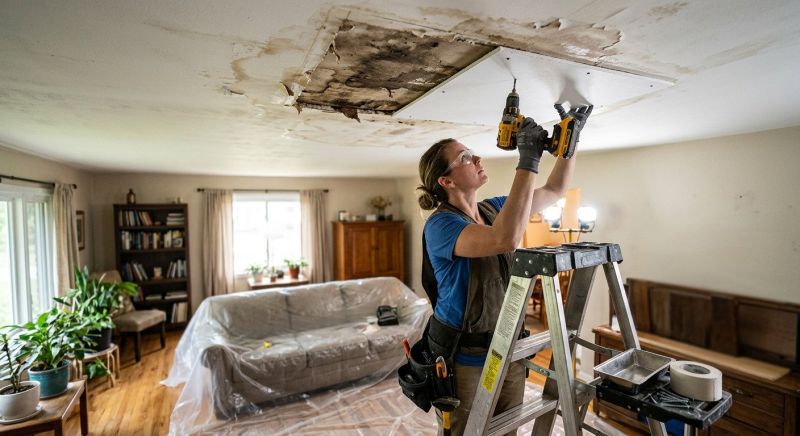
Identifying Water Damage In Drywall
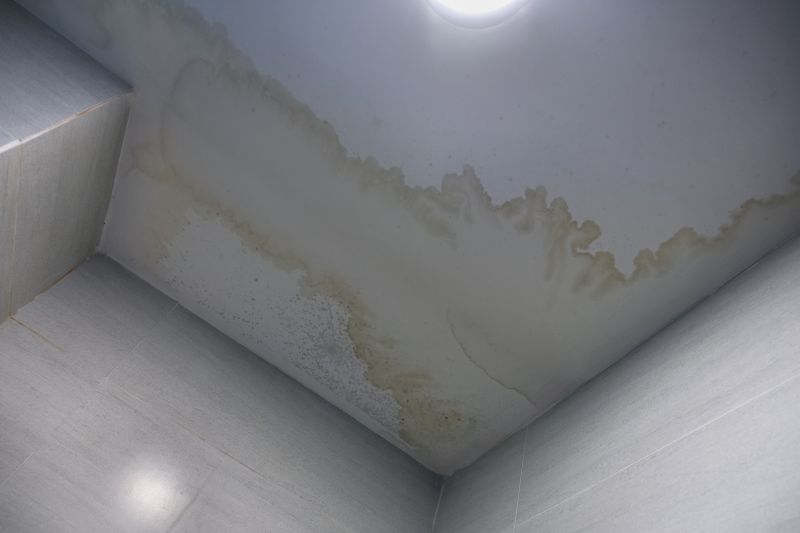
Signs of water damage include stains, warping, and mold growth on drywall surfaces.
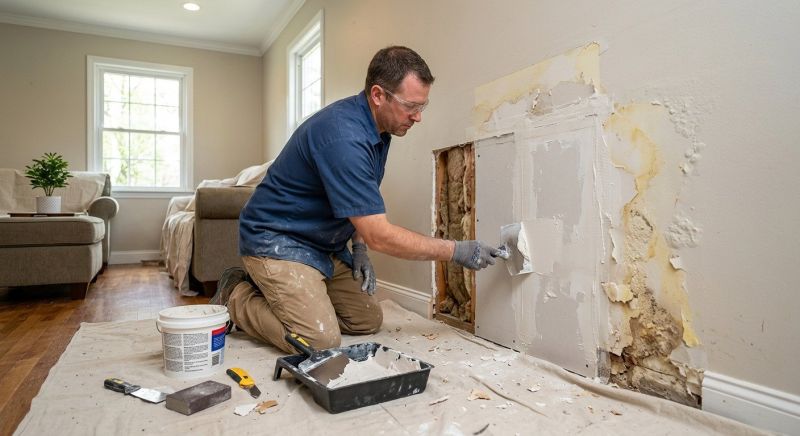
Restoring Drywall After Water Incidents
Proper repair involves removing damaged sections and applying moisture-resistant materials to prevent future issues.
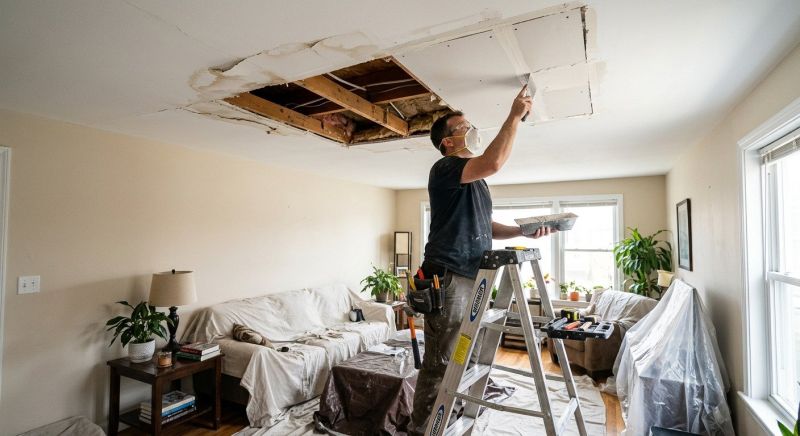
Preventing Future Water Damage
Ensuring proper ventilation and addressing leaks promptly can help protect drywall from water-related problems in wilmington, nc.
Drywall Water Damage Repair in Wilmington, NC
Drywall water damage repair involves assessing and restoring damaged wall surfaces caused by leaks, flooding, or high humidity. This service typically covers areas such as interior walls, ceilings, and partitions that have sustained moisture intrusion. Property owners often seek this service after discovering water stains, sagging drywall, or mold growth, aiming to prevent further deterioration and restore the appearance and integrity of their walls.
Before requesting drywall water damage repair, homeowners usually want to understand the extent of the damage and whether affected sections need to be removed or replaced. It is also common to inquire about the process for drying out the area, preventing mold development, and ensuring the wall is properly restored to its original condition. Clear information about the scope of work and any necessary repairs can help property owners make informed decisions about addressing water-related issues effectively.
Many property owners in Wilmington, NC look into Drywall Water Damage Repair for repairs, replacements, upgrades, and appearance-related improvements.
Common Drywall Water Damage Repair Jobs
Drywall Water Damage Repair - Restores damaged drywall caused by leaks or flooding.
Water Damage Assessment - Identifies affected areas and extent of moisture intrusion.
Drywall Replacement - Replaces severely damaged drywall panels for a seamless finish.
Mold Prevention - Addresses moisture issues to prevent mold growth after water exposure.
Surface Refinishing - Applies finishing and texture to match existing wall surfaces.
Leak Source Resolution - Repairs plumbing or roof leaks to prevent future water damage.
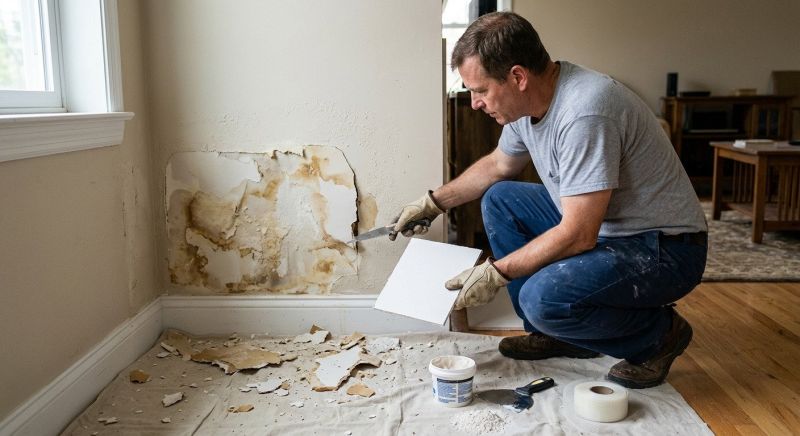
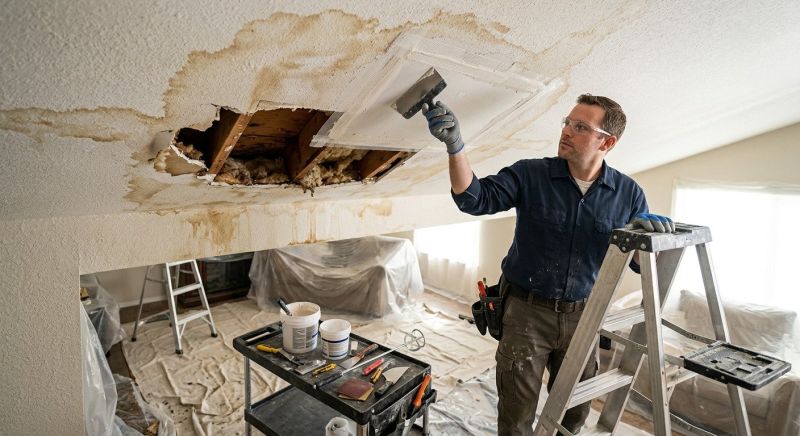
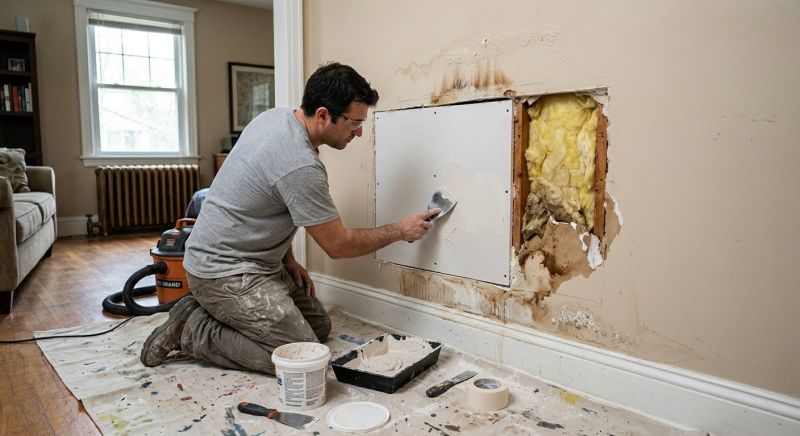
Drywall Water Damage Repair Questions
What causes drywall water damage? Water damage to drywall can result from leaks, plumbing issues, or high humidity levels that lead to moisture absorption and deterioration.
How can water damage affect drywall? Water exposure can cause warping, mold growth, and weakening of drywall, which may compromise the wall's structural integrity.
What are common signs of drywall water damage? Signs include discoloration, bubbling or peeling paint, soft spots, and a musty odor in affected areas.
Is drywall water damage repair necessary? Yes, repairing water-damaged drywall helps prevent mold growth and restores the appearance and safety of interior spaces.
Request Drywall Water Damage Repair in Wilmington, NC
Use the quote form on this page to share the basics of your project and request more information for the type of work you need.